

B-- Breakfast L-- Lunch D-- Dinner
-
Day 1 (April 01, 2026) Arrival in Nyingchi, Drive to Lulang | Lamaling Monastery, Gala Peach Blossom Village, Segrila Pass, Lulang Forest Sea Viewpoint
Tashi Delek! Welcome to Nyingchi, the Switzerland of Tibet! Upon arrival, our guide and driver will greet you at Nyingchi Mainling Airport.
Complimentary Airport Transfer: Free pick-up is provided for flights arriving between 08:00 AM and 10:00 AM. As travelers may arrive on different flights, we kindly ask for your patience while waiting for all group members to assemble.
First Stop: Lamaling Monastery
When the spring breeze brushes across the Niyang River, Lamaling Monastery - the only Nyingma monastery in eastern Tibet - is gently embraced by a sea of pink blossoms. These are no ordinary peach flowers: they bloom where nature and spirituality meet. Snow still lingers on the distant peaks, while the river valley below warms with early spring. Peach trees stretch along the riverbank and up the stone steps, their soft pink and white petals surrounding the monastery’s red and yellow walls. Sometimes the golden roof peeks out from behind the blossoms, glowing as sunlight filters through. Even the air seems filled with the sweet scent of flowers and the serenity of fluttering prayer flags.
Second Stop: Gala Peach Blossom Village
Located by the Niyang River at the foot of the surrounding mountains, Gala Village is known as the “First Peach Blossom Village.” With more than 1,200 wild peach trees covering 270 acres, the area transforms into a pink paradise each spring. Blossoms spread across the hillsides, creating a breathtaking landscape of color and warmth.
Third Stop: Segrila Pass
Situated east of Nyingchi County at an altitude of 4,728 meters, Segrila Pass is part of the Nyenchen Tanglha Range. From the top, you can enjoy sweeping views of cloud seas, endless forests, and - on clear days - the majestic Mount Namcha Barwa (7,782 m), once voted China’s most beautiful mountain.
Fourth Stop: Lulang Forest Observation Deck
Often described as a place “so beautiful it makes you forget home,” Lulang Forest features misty mountains, dense evergreen woods, snow-covered peaks, and meadow-like clearings that look as if they were carefully trimmed by hand.
Complimentary Local Specialty Meal - Lulang Stone Pot Chicken
A signature dish of the Nyingchi region, Stone Pot Chicken is prepared by slow-stewing local chicken with shouzhangshen (a type of wild ginseng) in a handcrafted stone pot. The resulting broth is aromatic and soothing, while the chicken is tender and rich in flavor. The pot itself is carved from rare soapstone found only in Motuo, carried out by porters and hand-chiseled by the Monpa people. These dark-green stone pots retain heat exceptionally well and naturally contain magnesium, iron, and 17 trace minerals.
Friendly Notes:
- We recommend flying via Chengdu and booking a flight that arrives in Nyingchi before 10:00 AM.
- Foreign nationals and travelers from Taiwan must complete registration in Nyingchi City before continuing with the tour.
Accommodation: Standard hotel in Lulang
-
Day 2 (April 02, 2026) Lulang - Bome - Ranwu | Guxiang Lake, Bomi Peach Blossom Valley, Ranwu Lake
After breakfast, we will drive to Guxiang Lake, located 33 kilometers from Bomi County. This freshwater barrier lake stretches 5 kilometers in length, 2 kilometers in width, and reaches depths of over 20 meters. Surrounded by untouched primeval forests and towering ancient trees, the area offers a beautifully tranquil landscape. The crystal-clear water reveals the scenery beneath the surface, and a gentle walk along the lakeshore allows you to fully immerse yourself in the peace and serenity of nature.
We then continue to the Bomi Peach Blossom Valley, which extends for more than 30 kilometers. Every spring, this valley transforms into a dazzling sea of pink, earning its reputation as the “Largest Peach Blossom Valley in China.” With glacier-covered mountains rising in the background, the soft pink blossoms contrast vividly with the traditional Tibetan houses scattered throughout the valley. Strolling through the blooming orchards - petals drifting underfoot and the air rich with floral fragrance - feels like stepping into a dreamlike world.
After visiting Bomi, we make our way to Ranwu Lake, situated at an altitude of 3,850 meters. Known for its strikingly clear blue waters and surrounding snow-capped peaks, Ranwu Lake is fed by melting snow from the nearby mountains and also serves as the source of the Pailong Zangbu River. Around the lake, lush meadows, fertile farmlands, forests, and shrubs blend together to form a breathtaking and harmonious natural panorama.
Accommodation: Standard hotel in Ranwu
-
Day 3 (April 03, 2026) Ranwu - Bome | Laigu Glacier (Blue Ice Caves)
After breakfast, we will drive to Laigu Glacier, located about 20 kilometers from Ranwu Town, to explore its extraordinary blue ice caves.
Situated in the Himalayas - one of the highest mountain ranges in the world - Laigu Glacier is among Tibet’s oldest glaciers, formed roughly 100,000 years ago. Over tens of thousands of years, it has expanded and retreated many times, leaving behind impressive glacial landscapes and remarkable natural formations.
Laigu Glacier actually refers to a cluster of glaciers, including Meixi, Yalong, Ruoqiao, Dongga, Xionga, and Niuma. Depending on the season, different sections are accessible to visitors. From April to October, Dongga Glacier is the most commonly open route, and its Blue Ice Cave is the star attraction. Inside the glacier, enormous ice caverns reveal layers of blue ice that shine as clear as crystal. Standing within the cave feels like stepping into a glowing ice palace, surrounded by shimmering shades of pure blue. (Important Note: Please follow the official arrangements on site. If the scenic area is closed or access is restricted, visitors will not be permitted to go onto the glacier.)
Visitors will take the scenic area’s shuttle bus to the Summer Pasture (round trip approximately 40 km). From there, you may either hike (free; round trip about 4 km; altitude 4,100–4,400 meters) or ride a horse (additional cost, around 300 RMB per person, payable onsite; final price subject to local signage).
The total exploration time is about 3.5 to 4 hours, giving you plenty of time to enjoy the blue ice caves, glacier views, ice lakes, alpine meadows, azure highland lakes, and towering snow-capped mountains.
Afterward, we will drive to Bomi for overnight accommodation.
Accommodation: Standard hotel in Bome
-
Day 4 (April 04, 2026) Bome - Lulang - Nyingchi | Tashi Gang Village
After breakfast, we will depart from Bome and drive to Tashi Gang Village, located near Lulang Town. This charming village rests at the foot of a high-altitude alpine meadow, surrounded by rolling green mountains that form a vast “sea of forest,” rising layer by layer. The landscape is covered with shrubs, dense spruce and pine forests, and other native trees. Between the mountains lies a beautifully maintained meadow where streams flow gently and seasonal flowers bloom. Traditional wooden fences and houses dot the scenery, with distant snow-capped peaks and nearby forests adding to the tranquility and beauty of this idyllic mountain landscape.
In spring and summer, the meadows and forests burst into color as a variety of flowers bloom. During autumn and winter, Tashi Gang Village often greets visitors with thick morning mist, which drifts through the mountains, creating a dreamy view where towering snow peaks appear and disappear through the clouds.
After visiting Tashi Gang Village, we will continue our drive to Nyingchi for overnight accommodation. Along the way, we will pass through Segrila Pass once again.
Stay overnight in Nyingchi.
Accommodation: Standard hotel in Nyingchi
-
Day 5 (April 05, 2026) Nyingchi - Lhasa | Basumtso Lake (Tashi Island, Tsozong Monastery, Jieba Village)
After breakfast, we will depart Nyingchi and drive about 2 hours to Basumtso Lake (altitude 3,538 meters), also known as Basong Tso or Dragsum Tso. Located in Gongbo'gyamda County, Basumtso is one of the most beautiful lakes in eastern Tibet and is recognized as both a National Forest Park and a 5A Scenic Area. Its emerald-green waters reflect the surrounding snow-capped peaks, creating a picture-perfect landscape that changes with the light throughout the day.
Basumtso also holds deep spiritual significance for Tibetan Buddhists, particularly followers of the Nyingma school. It is believed to be blessed by Guru Rinpoche and King Gesar, two revered figures in Tibetan culture. The road leading to the lake winds through peaceful valleys and mountains, offering breathtaking scenery along the way.
Upon arrival, enjoy the serene atmosphere and stunning views. A highlight of the visit is Tashi Island, a small island on the lake that houses Tsozong Monastery, a modest but historically important Nyingma monastery dating back to the 17th century. You may take a leisurely walk around the island to enjoy panoramic views of the lake and mountains. Along the way, you’ll see the “Peach-Embracing Pine,” the ancient water-burial platform, and the unique “Letter Tree,” whose leaves display naturally formed Tibetan letters. Don’t miss the sacred well, still honored by local pilgrims.
Afterward, you may also visit Jieba Village, an idyllic Tibetan village offering excellent viewpoints of Basumtso Lake and the surrounding peaks known as the “King’s Throne” and the “Burning Flame.” It is a wonderful place to appreciate traditional Tibetan culture and daily life.
Following the visit, we will begin the drive back to Lhasa, which takes about 4-5 hours.
Accommodation: Standard hotel in Lhasa
-
Day 6 (April 06, 2026) Lhasa - Yamdrok Lake - Karola Glacier - Shigatse (370km, 7 hours)
Today, you’ll embark on a scenic drive from Lhasa to Shigatse, Tibet’s second-largest city. The journey covers around 370 kilometers and takes 7 hours’ drive, with stops to admire two of Tibet’s most spectacular natural wonders - Yamdrok Lake and Karola Glacier.
In the morning, after about 2-3 hours of driving (110 km), get your camera ready as you approach Kampala Pass (4,797 m). Here, you’ll be rewarded with a breathtaking panoramic view of Yamdrok Lake, a turquoise ribbon shimmering among snow-capped mountains. Known as one of Tibet’s four sacred lakes (along with Lhamo Latso, Manasarovar, and Namtso), Yamdrok is believed to hold spiritual power - helping Tibetans locate the reincarnated soul of the Dalai Lama. You’ll also see locals offering photo opportunities with Tibetan mastiffs, yaks, or goats dressed in traditional ornaments.
In the afternoon, continue driving for about 1.5 hours (87 km) to reach the stunning Karola Glacier (5,012 m) - one of Tibet’s three major continental glaciers and a filming site of the movie Red Valley (Hong He Gu). Backed by Naiqin Kangsang Peak (7,191 m), the glacier gleams like a frozen waterfall cascading right beside the highway. You can enjoy the view from your vehicle or take a short, easy walk to the glacier’s base. Across the road, admire the majestic snow-capped Mount Kalurong - another highlight of this alpine wonderland.
Tips for visiting Karola Glacier:
- The alitude here is about 5,012 meters, so move slowly and avoid overexertion.
- The public toilets are very basic -be prepared.
- Some locals may charge a small fee for taking photos with them or their animals -always confirm before photographing.
Afterward, drive about 3.5 hours (170 km) through Gyantse, aalong the wide Nianchu River Valley, passing through scenic Tibetan villages, vast barley fields, and golden rapeseed flower fields (in summer). Upon arrival in Shigatse (altitude: 3845 meters), check into your hotel and rest well.
Warm Reminder:
For foreign and Taiwan travelers, registration at the Shigatse Entry & Exit Administration Office is required. Your guide will assist with the process and may adjust the schedule accordingly - please follow their instructions and cooperate as needed.
Accommodation: Standard hotel in Shigatse
-
Day 7 (April 07, 2026) Shigatse - Lhasa (Either by Tourist Vehicle or Train) | Tashilunpo Monastery
This morning, visit Tashilhunpo Monastery, the spiritual heart of Shigatse.
Founded in 1447 by Gyalwa Gedun Drup, the 1st Dalai Lama and a disciple of Tsongkhapa, Tashilhunpo Monastery is the largest monastery in Tibet’s Tsang region and one of the six great Gelug monasteries alongside Drepung, Sera, Ganden, Labrang, and Ta’er. It has long been the traditional seat of the Panchen Lamas, the second-highest incarnation lineage in Tibetan Buddhism after the Dalai Lama.
At its height, the monastery housed over 5,000 monks and included more than 3,000 rooms, 50 affiliated temples, and 30 manors and pastures. Today, you can still sense its grandeur as you explore its vast complex of prayer halls, courtyards, and golden roofs glinting under the sun.
Highlights of Tashihunpo Monastery:
- Admir the Maitreya (Future Buddha) Chapel, which enshrines a magnificent bronze statue of the Maitreya Buddha -made with over 115 tons of copper, 250 kg of gold, and adorned with more than 1,400 precious jewels including diamonds and pearls.
- Pay repect to the sacred stupas (reliquary chortens)of successive Panchen Lamas, exquisitely crafted with gold, silver, coral, pearls, turquoise, and silk.
- Enjoy a panoramic view of Shigatse city and the serene monastic life, where monks in crimson robes chant sutras echoing through the halls.
After visiting Tashilhunpo Monastery, drive back to Lhasa along the scenic Friendship Highway, following the Yarlung Tsangpo River. The journey takes about 4.5-5 hours (270 km). Upon arrival, check into your hotel and relax for the night.
Overnight in Lhasa.
Warm Reminder for Transportation:
The return journey from Shigatse to Lhasa on this day may be arranged by either tourist coach or train, depending on the travel agency’s final coordination. We are unable to accept specific requests for the mode of transportation. Thank you for your understanding.
Accommodation: Standard hotel in downtown Lhasa
-
Day 8 (April 08, 2026) Lhasa Culture Tour | Potala Palace, Jokhang Temple, Barkhor Street, Special Dinner
Today, it is the time to explore Lhasa by visiting the world-famous Potala Palace, a World Heritage site and the picture behind the 50 RMB. And then, you will explore Lhasa by visiting Jokhang Temple, a world cultural heritage site renowned for its brilliant architecture, culture, art, and history. Finally, you can stroll through the famous Barkhor Street with locals and learn more about the daily kora life of Tibetans.
This morning, you’ll first explore Potala Palace. This is the most iconic landmark of Tibet and the former winter residence of the Dalai Lamas (1649-1959).
After climbing 365 stone steps from the palace gate to the Red Palace, you’ll reach the highest ancient palace in the world - standing proudly at 3,700 meters above sea level - and enjoy stunning panoramic view of Lhasa city.
As you wander through the halls, chapels, and sacred shrines that honor past Dalai Lamas, you’ll be captivated by the intricate murals, exquisite carvings, dazzling jeweled decorations, and the deep spiritual atmosphere that fills the air. Inside the Potala Palace, countless Tibetan pilgrims can be seen bowing and praying devoutly - for many, visiting this sacred site is the journey of a lifetime.
Your guide will also share fascinating stories about King Songtsen Gampo, the 33rd ruler of Tibet, who originally built the Potala Palace in the 7th century to honor his marriage to Princess Wencheng of the Tang Dynasty.
Potala Palace Visiting Tips:
- All visitors must enter as part of a guided group and can stay inside for a maximum of one hour.
- Tickets are issued under a real-name reservation system. A valid ID or passport is required, and once reserved, rebooking is not allowed within 7 days.
- Entry times are assigned randomly by the Potala Palace Administration, and it’s not possible to choose your visiting hour.
- During peak season, your travel group may be split into smaller sub-groupswith different visiting times or guides.
- Photography is strictly prohibitedinside the palace.
Next, your group will visit Jokhang Temple, the spiritual heart of Lhasa with a history of more than 1,300 years. From afar, you’ll see countless devoted pilgrims prostrating in front of the temple. Stop for a while to witness this moving sight and the unwavering faith of Tibetan Buddhists. This will be a moment to touch your soul.
According to legend, Jokhang Temple was built by King Songtsen Gampo for his two brides - Princess Wencheng of China and Princess Bhrikuti of Nepal. The name Jokhang means “House of the Buddha,” and the temple enshrines a life-sized statue of the 12-year-old Sakyamuni, one of the most sacred treasures in the Buddhist world. This makes Jokhang Temple the holiest pilgrimage site in Tibet.
Take time to explore the temple’s intricate architecture - admire the colorful murals, ornate decorations, and fine carvings that showcase the essence of Tibetan craftsmanship. From the second floor, you can enjoy a panoramic view of the bustling Barkhor Street below.
Visiting Tips for Jokhang Temple:
- Visiting time: about 1 hour.
- Admission requires real-name reservation through the “Jokhang Temple Reservation” WeChat between 7:00-23:59 for the next day. Reservations are limited, so please book in advance with your guide’s assistance.
- Jokhang Temple is an active religious site. During important religious ceremonies or special events, access may be restricted -your understanding is appreciated.
After the visit, step outside to Barkhor Street, once the traditional kora (pilgrimage circuit) around the temple. Today, it’s a lively place filled with the scent of incense and the sounds of chanting pilgrims. You can sip yak butter tea at a teahouse, dress in Tibetan attire for photos, or shop for unique handicrafts and souvenirs from Tibet, Nepal, and India.
Special Meal Arranged by Odyssey :
In the evening, enjoy a group dinner featuring delicious Tibetan or Nepalese cuisine, specially arranged by the Odyssey team.
After the tour, be escorted back to your hotel in Lhasa.
Accommodation: Standard hotel in downtown Lhasa
-
Day 9 (April 09, 2026) Lhasa Departure | Hotel Check-out and Airport Transfer
After breakfast, it’s time to say goodbye to the holy city of Lhasa. Your guide and driver will escort you to Lhasa Gonggar Airport or Lhasa Railway Station. Take your flight or train to next destination or go home.
Travel Tips:
The drive from downtown Lhasa to the airport takes about 1 hour, so we recommend booking flights departing after 10:00 AM.
Please share your flight or train schedulewith us in advance to ensure a smooth transfer.
Kindly provide accurate flight or train booking detailsso that we can arrange the group’s complimentary shared transfer efficiently.
Thank you for choosing Asia Odyssey Travel for Tibet Group Tour. We hope to see you on your next journey!
Accommodation: None
 Holy Lake Namtso 1 Day Tour
  4 Days Lhasa Urban and Suburb Tour
  15 Days Mt. Kailash and Mt.Everest with Namtso Tour
  9 Days Train Tour from Xining to Lhasa
 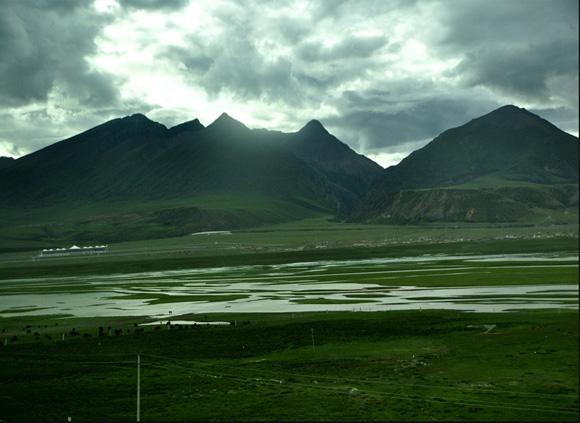 12 Days Lhasa - Nyingchi - Tsedang Cultural Tour
 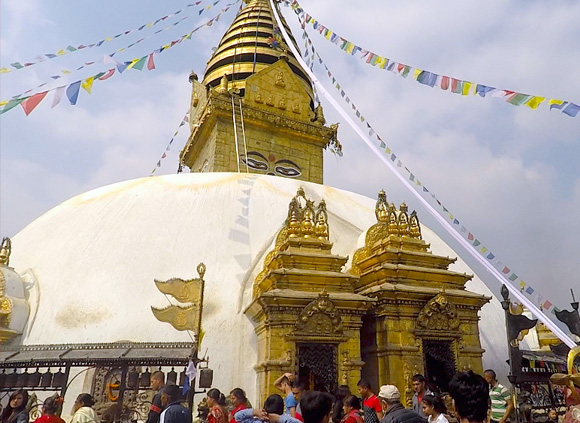 Amazing G318: 10 Days Sichuan Tibet Epic Overland Tour in Small Group
 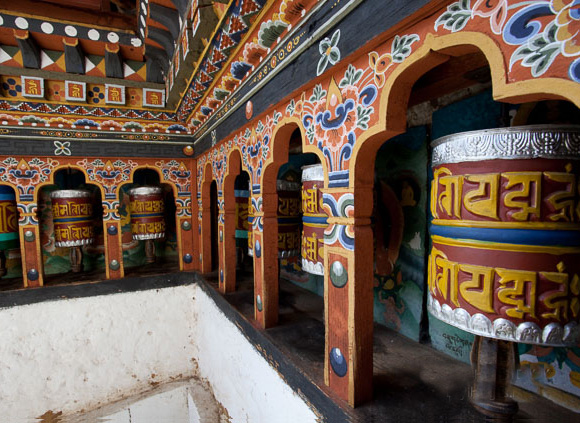 14-Day Nepal World Heritage Tour
 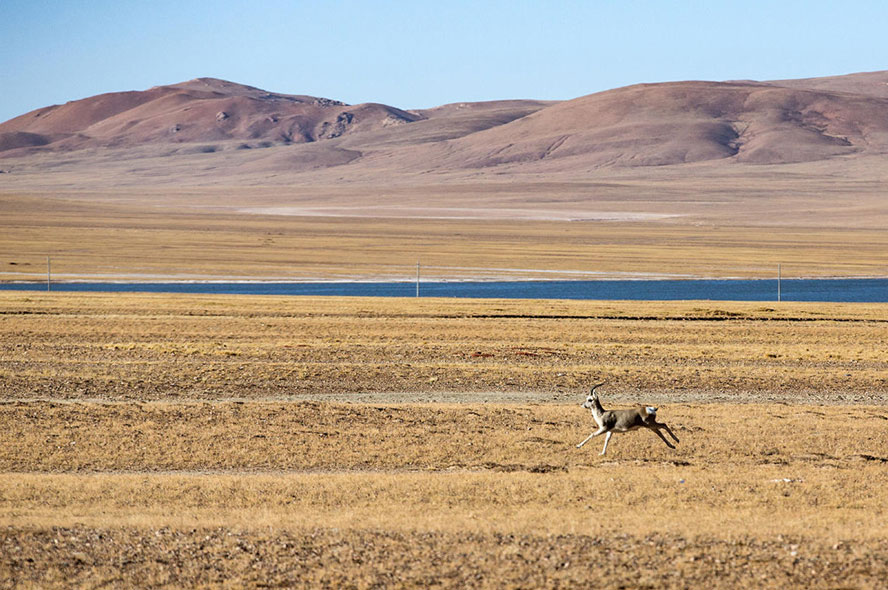 7 Days Tibetan New Year Festival Tour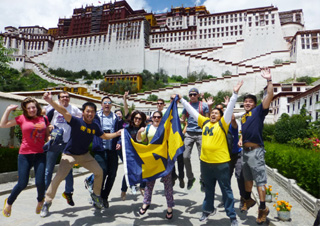


 Data in submission...


